1. Walk the grounds
For outdoor spaces, the crew walks fence lines, planters, corners and bushes where needles collect.
Glendale, WI · Milwaukee County
Found a needle or syringe in Glendale? Stay back, keep children and pets away, and call (877) 812-4220. A cleanup team can search the area, collect every sharp and dispose of it safely.
If anyone is in danger, call 911 first. For a suicide crisis, call or text 988.
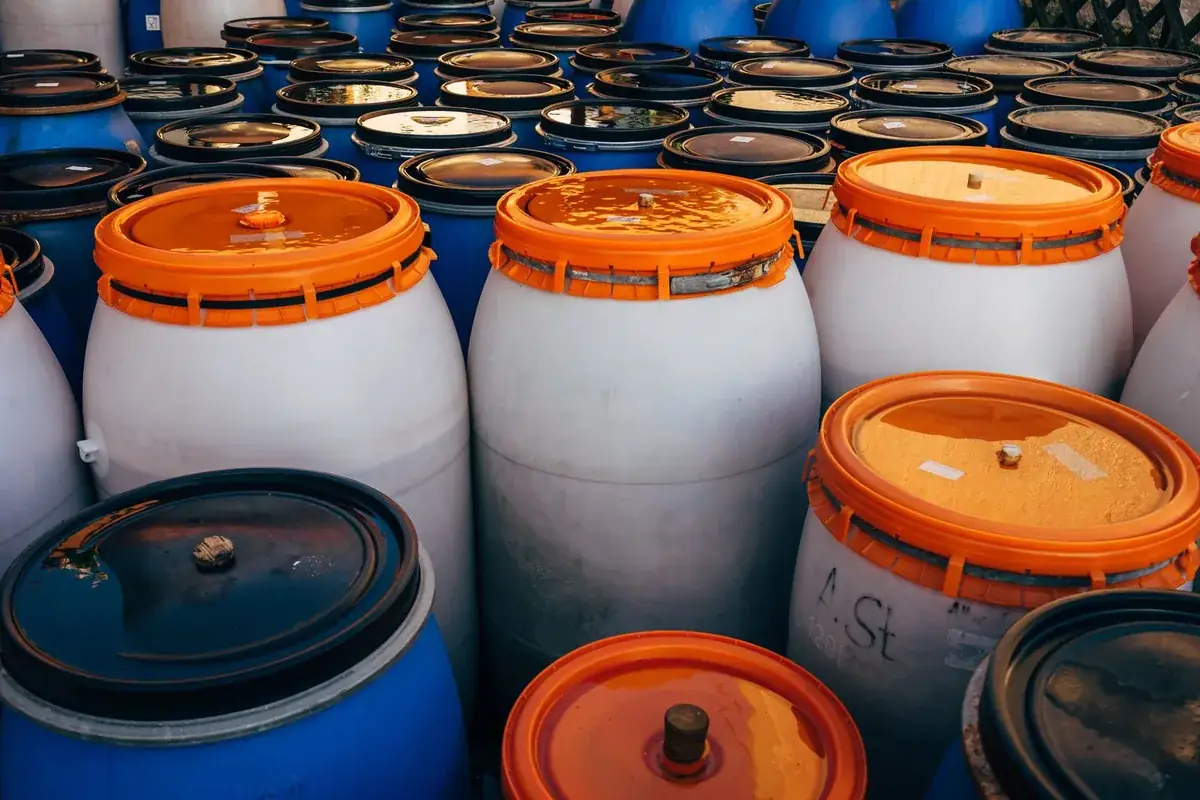
Sharps contamination happens when needles, blades or glass with possible blood on them are left where people can reach them. Cleanup includes collection, disinfecting nearby surfaces and sealed transport.
If your Glendale property has needles, syringes or other sharps, you can call Glendale Biohazard Cleanup Help and get them searched for, collected and disposed of anywhere in Milwaukee County. Crews wear protective gear and use tools designed to keep hands away from points.
The vacancy rate in Milwaukee County is only about 8%, so most needle calls come from occupied homes, rentals, yards and businesses. Tell the doctor where the needle was found. The nearest emergency room to Glendale is Ascension Columbia St Marys Hospital Milwaukee, about 4 miles away.
A typical needle & sharps cleanup job includes:
For outdoor spaces, the crew walks fence lines, planters, corners and bushes where needles collect.
Cleanup technicians wear puncture-resistant gloves, eye protection and boots for the sweep.
Sharps are locked in secure containers marked for medical waste.
The room is cleaned, odors are handled if needed, and the owner gets a summary of the work.
The cost of needle & sharps cleanup in Glendale, WI depends on the amount of material, how it is packed and how it is hauled.
Hidden spots slow the work. Cluttered rooms, dense brush and storage areas take longer to search than clear, open ground.
| Type of job | Typical range |
|---|
These ranges come from published cost guides () and are not a quote for Glendale. Price drivers include number of items, where they are found, whether a sweep of a large area is needed, waste disposal. For a real number, call (877) 812-4220.
Yes. Dogs and cats may sniff, chew or step on sharps. Keep pets away from the area until a cleanup team has searched it. If a pet is stuck or swallowed something, call a veterinarian right away.
They can be tucked into couch cushions, mattress seams, drawers, vents and ceiling tiles. That is why a sharps sweep covers more than the floor. Crews check hidden spots with tools and light before declaring a room clear.
A used needle can carry bloodborne pathogens such as hepatitis B, hepatitis C and HIV. The chance of infection from one stick depends on many things, and a doctor can explain what applies. Get medical care promptly after any stick or cut.
Some cities and counties collect found needles from public land at no charge, and many do not. Availability varies. The local health department or public works office can say what exists where you live, and a cleanup team can help with private property.
No. This page explains how needle and sharps cleanup works. It is not medical, legal or insurance advice. For exposure or symptoms, contact a doctor or Poison Control, and for local programs ask the health department.
It is a rigid, puncture-resistant box with a locking lid, made to hold needles, syringes, lancets and blades. Cleanup teams use them to seal sharps for transport. Containers should not be overfilled or opened again once locked.
Do not pick it up. Call and let a cleanup team remove it safely.
Call (877) 812-4220